I read in an industry book that the cosmetic industry had a ten year plan in the 1960s to lessen expensive pigments contained in face make-up. To sell the consumer to want more water in cosmetics instead of the more expensive “pancake” pigments took companies 10 years of promoting “the natural look” — but it worked. It worked so well that some women in the 1970s completely stopped purchasing make-up…what to do? It probably took another 10 years of marketing to bring the numbers up in cosmetic sales. Remember how strange it looked in the 1980s when magazines were bringing back bright reds to faces?
My point? I’m wondering about the Natural Foods Movement beginnings. Was it another industry’s “10-year plan?” We now consume more than just soybean oil, as we did before the health food wave. We now eat soybeans (tofu, etc.) Meat consumption is down. Plants are genetically modified and plant life can be patented.
The Food and Drug Administration [FDA] began looking into problems of chemical preservatives in foods as early as 1862. In 1874 the adulteration of milk with water and chemicals was discussed by the FDA, along with experiments on the effects of arsenic and copper pesticides on plants and the possibility of harm to humans. So the insistance on what is now called Natural Foods didn’t originate with the 1960s counter-culture.
Here is the list of the 40 Natural Foods Cookbooks offered for sale, shown in the above video. All the books cost $104.00 plus shipping, but we will sell you the lot of them for $ 90.00 with FREE shipping within the USA to your PayPal-verified address.
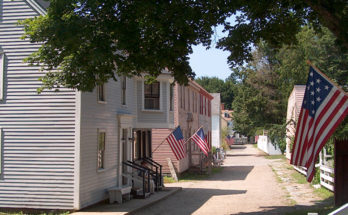
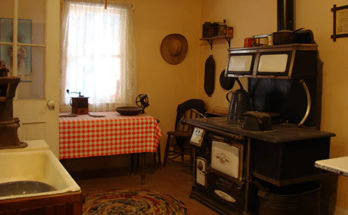
Strawbery Banke in NH is literally digging up accurate kitchen details of an early 1900s kosher kitchen…read about it on their website…but, really, more pictures! : )
The New York Times describes the reenactment… Worthy of note about the consumption of ice in an icebox:
“I get 50 pounds of ice [for the icebox] for 25 cents every other day…”
Meringue was popular in Europe the early 1600s and was called Italian Biscuit. More egg whites were added by the end of the 1600s [no, not to the same batch, Tom! : ) ] to make the super-light meringues.
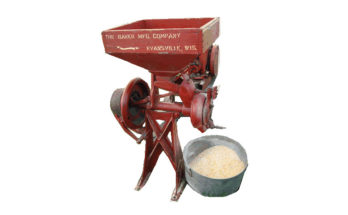
Hand-turn Grain Mill (Dried corn to corn meal flour – view from above)
Grain Mill (Dried corn to corn meal flour)
–Early 1900s grain mills at the Old Threshers Reunion in Mt Pleasant, Iowa, 2009, above–
Historic crushing and grinding of grains may get you wondering if you should duplicate this process to serve baked goods and cereals with more nutrients. Search online for grain mills. Modern equivalents to these grain mills range from small hand-crank home-kitchen mills to commercial grade mills. Here is a comprehensive site: Pleasant Hill Grain.
One of the grain mills was described as being able to also grind coffee beans. Do you have a coffee mill grinder at home? I’m not sure if this use will harm the coffee grinder in the long run, but when I realized I have a mill already, I ran to the bucket of fresh wheat that was taken off the plant stock not 5 hours before, and ran them through the little electric coffee mill that I bought at Borders store. What do you know — it produced a flour!
This wheat, above, is part of the batch that was threshed and ended up in my coffee grinder hours later. The next video is the people threshing the wheat that ended up in my coffee grinder…
Video: Noisy steam-powered threshing machine
Visit St Clair County Farm Museum in Michigan during their “Old Fashion Harvest Days” for a demonstration of a steam-powered threshing machine.
Sonya Welter instructs us on how to thresh wheat by hand: “Gather the stalks into bundles and thresh by beating, shaking or stepping on it. Winnow to separate the wheat from the chaff, and store the whole wheat berries in a cool, dark place. Process into flour or bulgur as needed.” Here is a link to a 1947 method of threshing wheat from Gambatesa, Italy.
Visit a Mill Museum
A list of old mills is available
at the Historic Mills page.
Above are some antique corn shellers that were at the Old Threshers Reunion in Mt Pleasant, Iowa, 2009. Manual corn shellers were improved enough to work smoothly by the 1870s. See the a picture of a corn sheller from 1870.
The early shellers required manual feeding of the cobs of corn; later, and now, they automatically feed into the corn sheller by a conveyor.